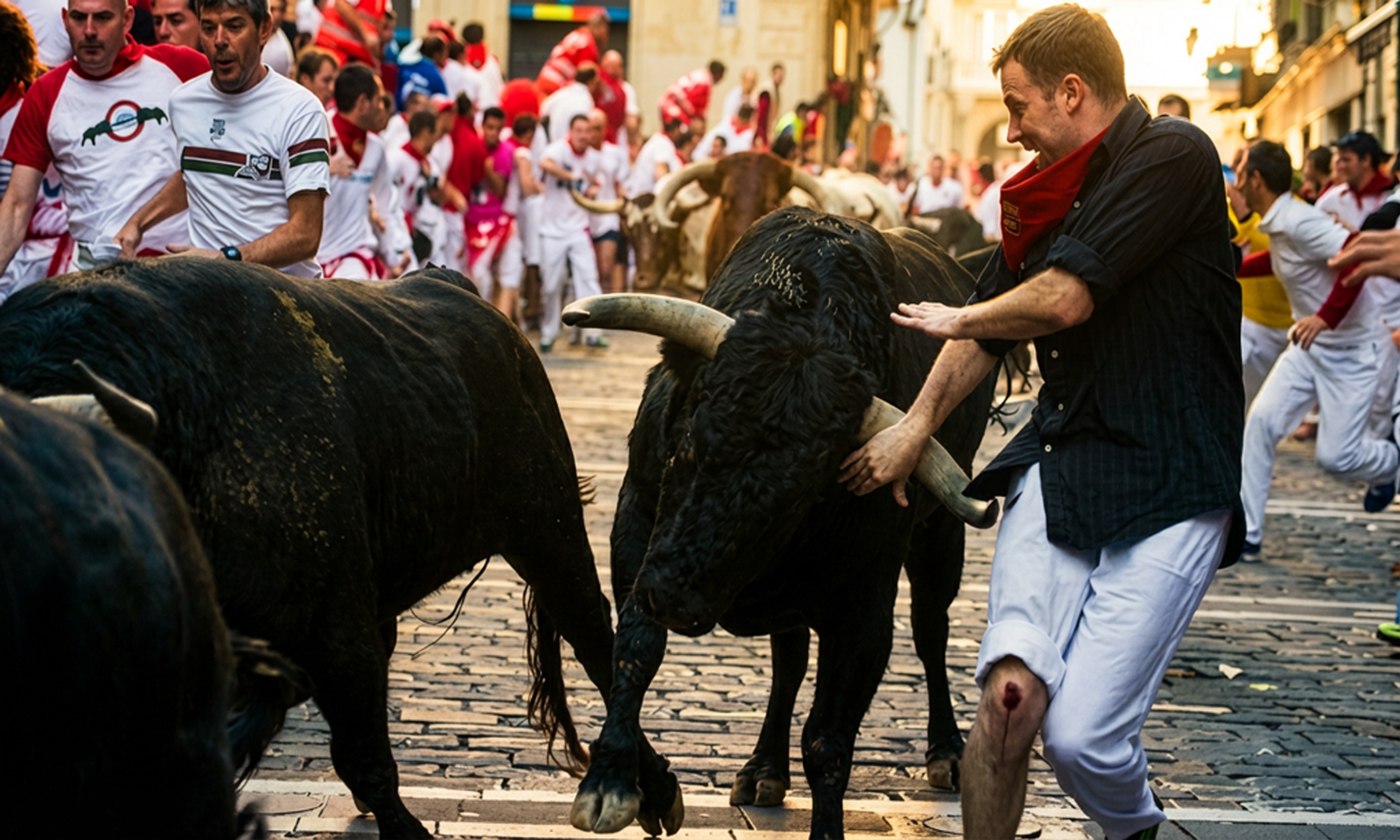
San Fermín 1978: The Running of the Bulls
July 6 to 14, 1978. The most politically violent fiesta of the modern era. On July 8, armed police fire into a crowd of 20,000 in the bullring. Germán Rodríguez is killed. A general strike follows. The fiesta is effectively suspended.
Looking Back at 1978
Looking back at 1978, this was the year that showed what San Fermín could become when the politics of a country in crisis spilled inside the walls of the fiesta. Spain was in the middle of drafting its democratic constitution, which would be approved by referendum in December 1978. The Basque and Navarrese pro-amnesty movements were at a peak. And on the evening of July 8, inside the Pamplona bullring, armed police fired rubber bullets and tear gas into a crowd of 20,000 people. One man, Germán Rodríguez, was killed by a live gunshot wound to the head.
Germán Rodríguez was 26. He was a student, and a member of ETA-pm (the political-military branch of ETA). He had not thrown anything. He was in the crowd when the police entered. A Navarra-wide general strike was declared. Protests spread across the Basque Country. The fiestas, every evening event, the corridas, the peña celebrations, were effectively suspended.
What is important to be clear about for this record: Germán Rodríguez did not die in the encierro. He died in the bullring, in the evening, during a police action against a crowd. The encierros themselves ran without fatal incident. That distinction matters. But it does not diminish the weight of what happened in Pamplona in July 1978. The fiesta has never been able to be only a fiesta, and 1978 was the year that became impossible to ignore.
Dennis Clancey, Founder, Encierro
The Night the Police Opened Fire
The 1978 fiesta opened on July 6, though the chupinazo was fired from the first floor rather than the traditional second-floor balcony, after pro-amnesty protesters occupied the town hall earlier in the week. The encierros ran each morning at 8 a.m. (the start time had been moved from 7 a.m. in 1974).
On the evening of July 8, during the peñas’ traditional descent into the arena after the corrida, approximately fifty protesters unfurled a green banner reading “Amnistía total, Presoak kalera, San Fermín sin presos” (Total amnesty, Prisoners free, San Fermín without prisoners). A confrontation broke out. About forty armed grises (police in grey uniforms) entered the bullring and fired rubber bullets and tear gas at young people in the stands and arena. Germán Rodríguez, 26, was struck by a live round and died of a head wound. 52 people were arrested and over 150 were injured. A Navarra-wide general strike was declared; protests spread to Álava, Guipúzcoa, and Vizcaya. The fiestas were suspended.
On the evening of July 8, armed police fired into a crowd of 20,000 people inside the Pamplona bullring. One man died. The fiestas were suspended. These events were never prosecuted.
Every 1978 Encierro, Day by Day
Eight runs, July 7–14, 1978. No encierro deaths. The violence of 1978 occurred in the evening, not in the morning encierros. The route runs approximately 849 metres from Santo Domingo to the bullring. See the route map.
Run 1, Ganadéría Not Recorded
The opening encierro of the 1978 fiesta. Day-by-day ganadéría assignments for this year’s encierros are not in the digitized historical record. The systematic per-day database on sanfermin.com begins in 1982. The morning encierro proceeded normally, though the political atmosphere in Pamplona was already charged with pro-amnesty protests.
Run 2, Ganadéría Not Recorded
The second morning encierro ran without incident. Day-by-day ganadéría assignments for this year’s encierros are not in the digitized historical record. The systematic per-day database on sanfermin.com begins in 1982. That evening, during the peñas’ descent into the bullring after the corrida, police fired rubber bullets and tear gas into a crowd of 20,000, killing Germán Rodríguez (shot with a live round). The evening’s Miura corrida had been scheduled but was cancelled in the chaos that followed.
Run 3, Ganadéría Not Recorded
A Navarra-wide general strike was declared following the July 8 police violence. The fiesta was effectively suspended; most events were cancelled. Whether the morning encierro ran on July 9 is uncertain, available sources focus on the suspension of the broader festival.
Run 4, Ganadéría Not Recorded
The fiesta remained effectively suspended following the events of July 8. Day-by-day ganadéría assignments for this year’s encierros are not in the digitized historical record. The systematic per-day database on sanfermin.com begins in 1982.
Run 5, Ganadéría Not Recorded
The fiesta remained effectively suspended following the events of July 8. Day-by-day ganadéría assignments for this year’s encierros are not in the digitized historical record. The systematic per-day database on sanfermin.com begins in 1982.
Run 6, Ganadéría Not Recorded
The fiesta remained effectively suspended following the events of July 8. Day-by-day ganadéría assignments for this year’s encierros are not in the digitized historical record. The systematic per-day database on sanfermin.com begins in 1982.
Run 7, Ganadéría Not Recorded
The fiesta remained effectively suspended following the events of July 8. Day-by-day ganadéría assignments for this year’s encierros are not in the digitized historical record. The systematic per-day database on sanfermin.com begins in 1982.
Run 8, Ganadéría Not Recorded
The final scheduled encierro of the 1978 fiesta. Day-by-day ganadéría assignments for this year’s encierros are not in the digitized historical record. The systematic per-day database on sanfermin.com begins in 1982. The Pobre de Mí ceremony at midnight closed the fiesta, but the week had been permanently marked by the violence of July 8.
The Stories the Numbers Leave Out
Official Poster: San Fermín 1978
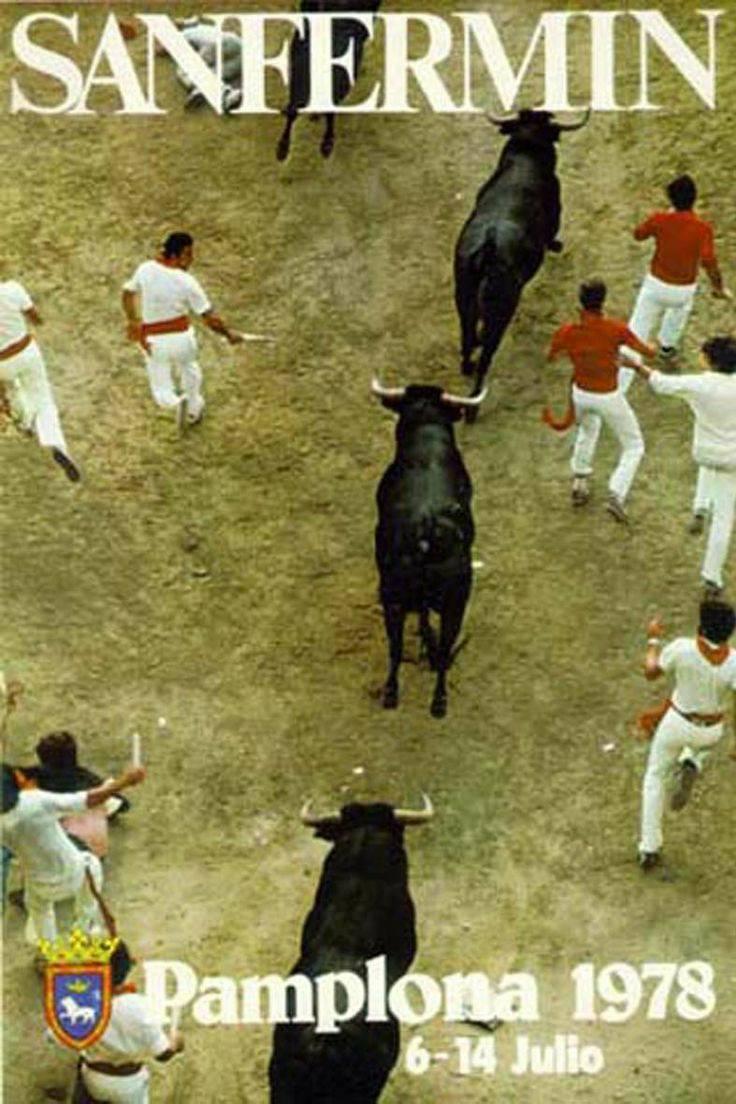
Cartel: José Mª Nebreda.
The 1978 San Fermín poster was the work of José Mª Nebreda, who would also design the 1981 poster. The cartel was produced for the Ayuntamiento de Pamplona ahead of the July fiesta, before any of the events of that week could be foreseen.
The full archive of San Fermín official posters is maintained by the Ayuntamiento de Pamplona, cartel archive.
The 1978 San Fermín official poster, selected through the annual concurso de carteles held by Pamplona each year.
The City in 1978
The chupinazo opened the fiesta at noon on Thursday, July 6, but fired from the first-floor balcony of the town hall rather than the traditional second floor, after pro-amnesty protesters had occupied the building earlier in the week. The first democratic municipal elections had not yet been held (those came in April 1979); Pamplona was still governed by a Franco-era appointed council.
The death of Germán Rodríguez and the general strike that followed left a permanent scar on the fiesta’s memory. The Miura corrida that had been scheduled for July 8 was not held. The fiesta did not close with the usual festivities it had always known. A monument in the city commemorates Rodríguez. Every year since, on or near July 8, Pamplona has remembered 1978.
How 1978 Came Together
The cartel by José Mª Nebreda confirmed. Spain’s constitutional drafting committee was at work. Pro-amnesty and Basque nationalist movements were mobilising across the north.
The chupinazo fired from the first-floor balcony of the town hall (pro-amnesty protesters had occupied the building). Encierros to follow each morning at 8 a.m.
Morning encierro ran normally. That evening: police enter the bullring and fire on a crowd of 20,000. Germán Rodríguez killed. 52 arrested, 150+ injured. Scheduled Miura corrida cancelled. Navarra-wide general strike declared.
Fiestas effectively suspended. Most evening events cancelled. Strike and protests spread to Álava, Guipúzcoa, and Vizcaya. The encierros ran each morning; the fiesta they were part of had been ended by what happened the evening before.
San Fermín 1978, Answered
Was anyone killed in the 1978 San Fermín encierro?
No. There were no deaths in the 1978 encierros. The death of Germán Rodríguez on July 8 occurred in the evening inside the bullring during a police action against a crowd, it was not an encierro death.
What happened on July 8, 1978?
During the peñas’ traditional descent into the bullring arena after the evening corrida, approximately fifty protesters unfurled a pro-amnesty banner. Armed police entered the plaza and fired rubber bullets and tear gas. Germán Rodríguez, 26, was killed by a live gunshot wound to the head. 52 people were arrested, more than 150 were injured. A Navarra-wide general strike followed. The fiestas were effectively suspended. No officer was ever prosecuted.
What time did the encierros run in 1978?
8 a.m. The start time was moved from 7 a.m. to 8 a.m. in 1974 and has remained at 8 a.m. ever since.
Was the Miura corrida held in 1978?
No. The Miura corrida scheduled for July 8 was cancelled following the police violence that evening. Miura had been scheduled but could not be held given the suspension of events after the death of Germán Rodríguez and the general strike.
What came next
For what followed, see San Fermín 1979, the first fiesta under Spain’s new democratic constitution, or explore the full 1970s archive.