Skip to content
Blog
Category: History & Culture
Explore Pamplona’s rich heritage—Roman origins, medieval kingdom of Navarre, Hemingway’s influence, bull traditions, and the cultural significance of San Fermín.
July 10, 2026 Between 1939 and 1975, San Fermín was not left alone by the Spanish state. Francisco Franco’s dictatorship first folded the fiesta into a program of national Catholic symbolism…
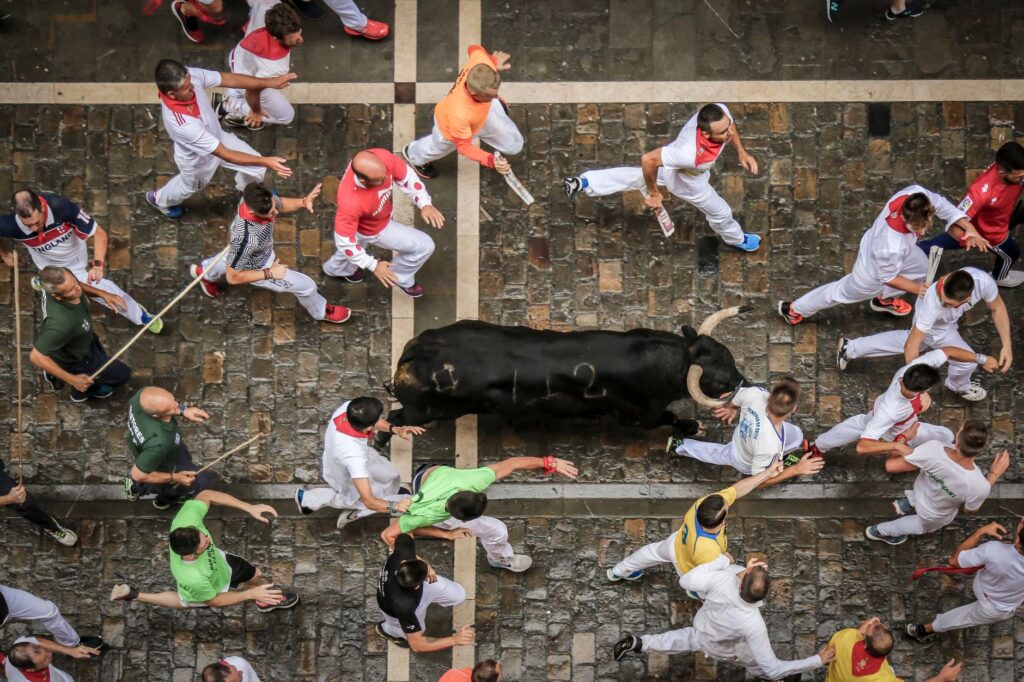
July 10, 2026 The hospital treating Pamplona's encierro injuries has changed its name three times since 1932. The real history behind gored runners' care.
July 9, 2026 Zindagi Na Milegi Dobara's Pamplona bull run used trained bulls, not the live herd, and sparked a PETA backlash. Here is the full production record.
July 6, 2026 Julian Gayarre, the Roncal tenor, died in 1890. Pamplona renamed its main theater for him in 1903, and Teatro Gayarre still bears his name today.
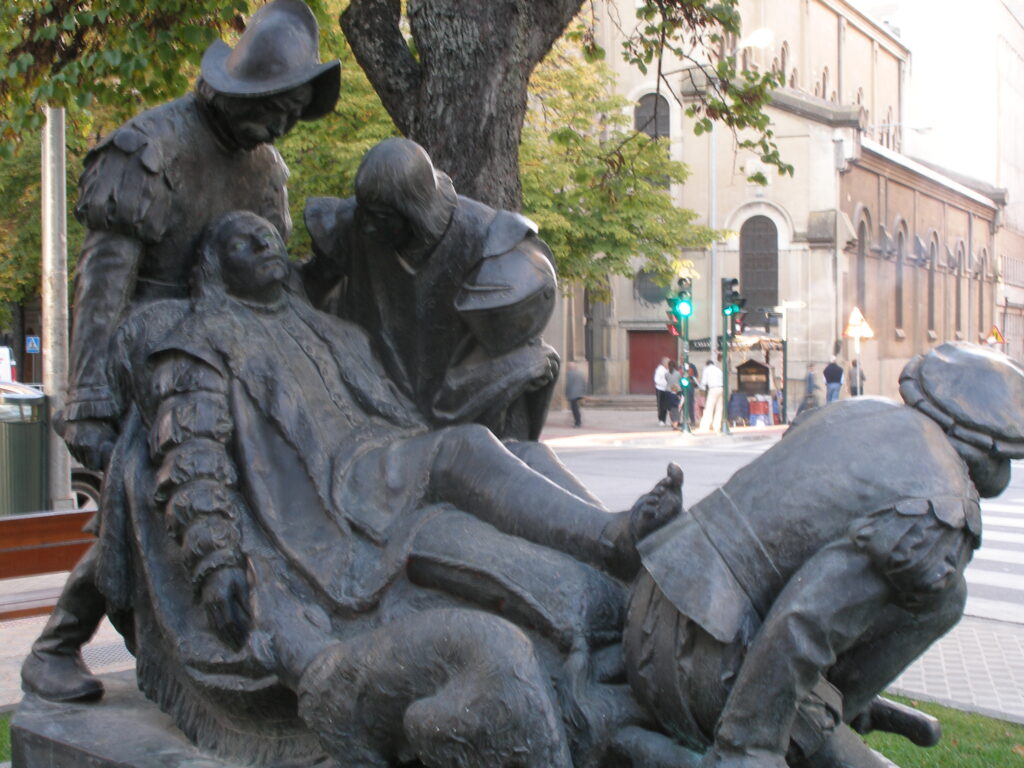
July 6, 2026 San Ignacio de Loyola fell in Pamplona in 1521, but the castle he defended no longer exists. The real site, the basilica, and the monument to visit.
July 5, 2026 Sculptor Jorge Oteiza left 1,690 works to Navarra, not a big city. Why his museum sits in Alzuza near Pamplona, and where to find his art in the…
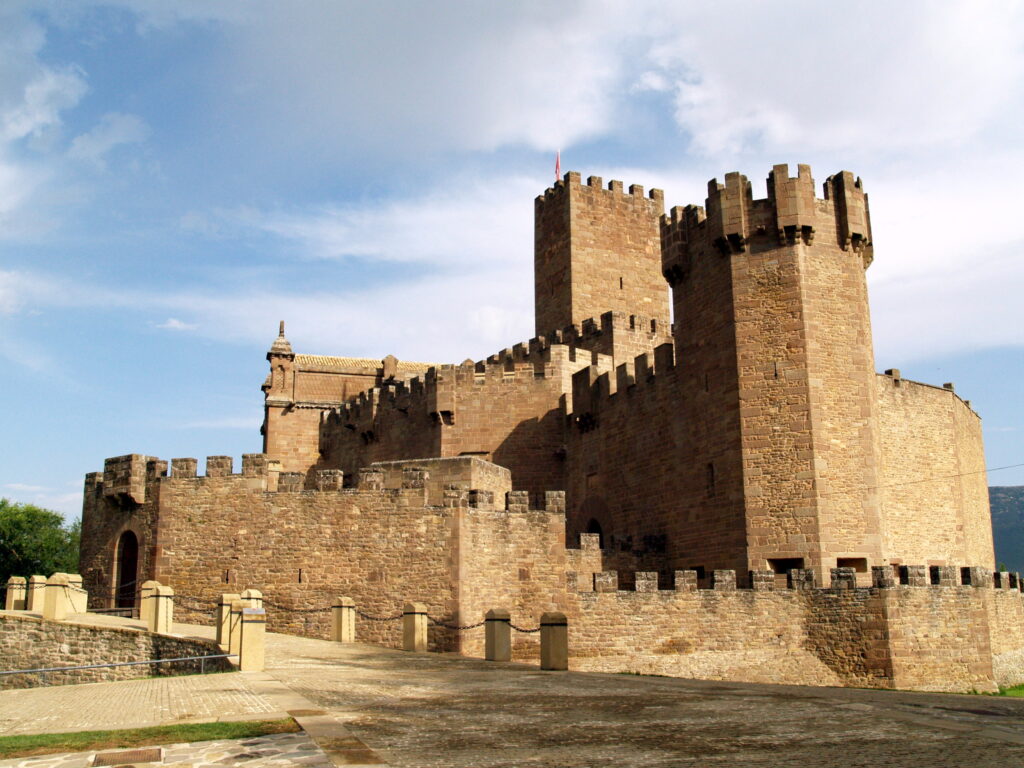
July 5, 2026 San Francisco Javier is Navarra's co-patron saint alongside San Fermín. The 1657 dispute, the December 3 holiday, and the story nobody tells.
July 5, 2026 The running of the bulls in movies was rarely shot in Pamplona. Where City Slickers, the 1957 Hemingway film, and Bollywood really filmed it.
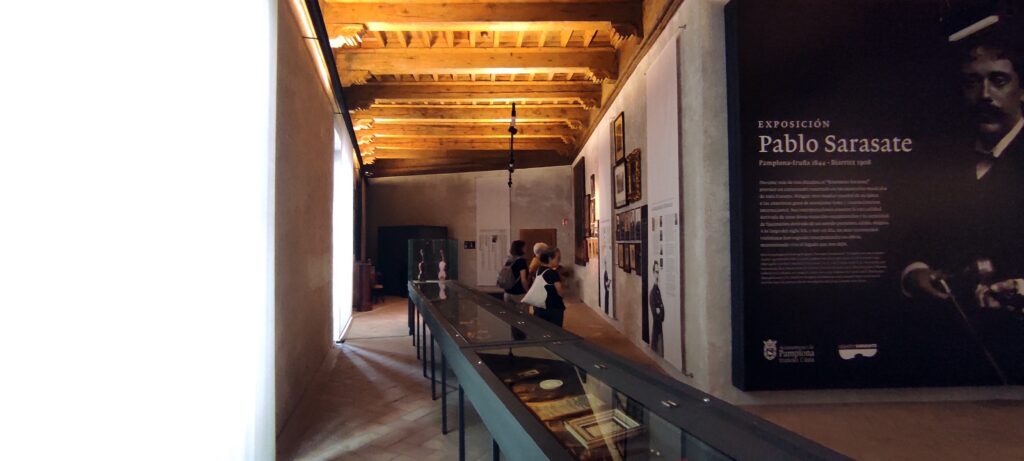
July 4, 2026 Pablo Sarasate, the Pamplona violinist Europe called its own, came home every July for San Fermin and willed his violins to the city.
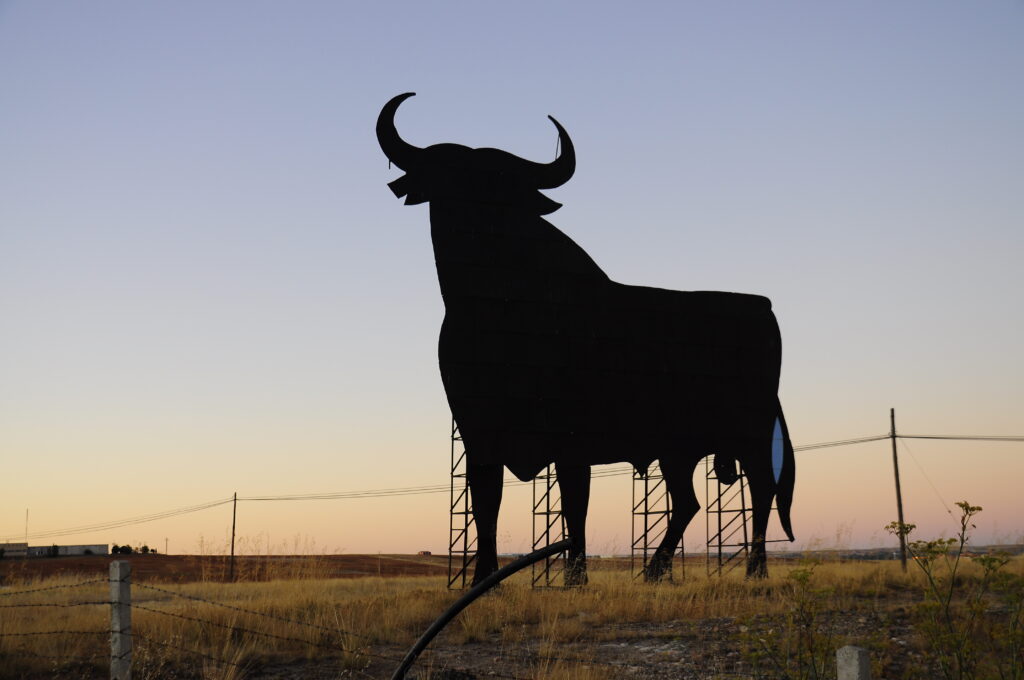
July 3, 2026 The Toro de Osborne began as a rejected brandy ad in 1956. The history of Spain's roadside bull, the law that nearly killed it, and Navarra's only one.
Expert bull running instruction and Pamplona tours since 2007. The only company comprised exclusively of active bull runners.
Instagram YouTube
© 2026 Encierro.com. All rights reserved. Pamplona, Navarra, Spain.
We use cookies for analytics, session recordings (Microsoft Clarity) and advertising audiences (Google). Allow them? Cookie Policy | Privacy Policy
Accept Decline