July 10, 2026
Pamplona Isn’t Legally Basque-Speaking. A Quarter of the City Speaks Euskara Anyway.
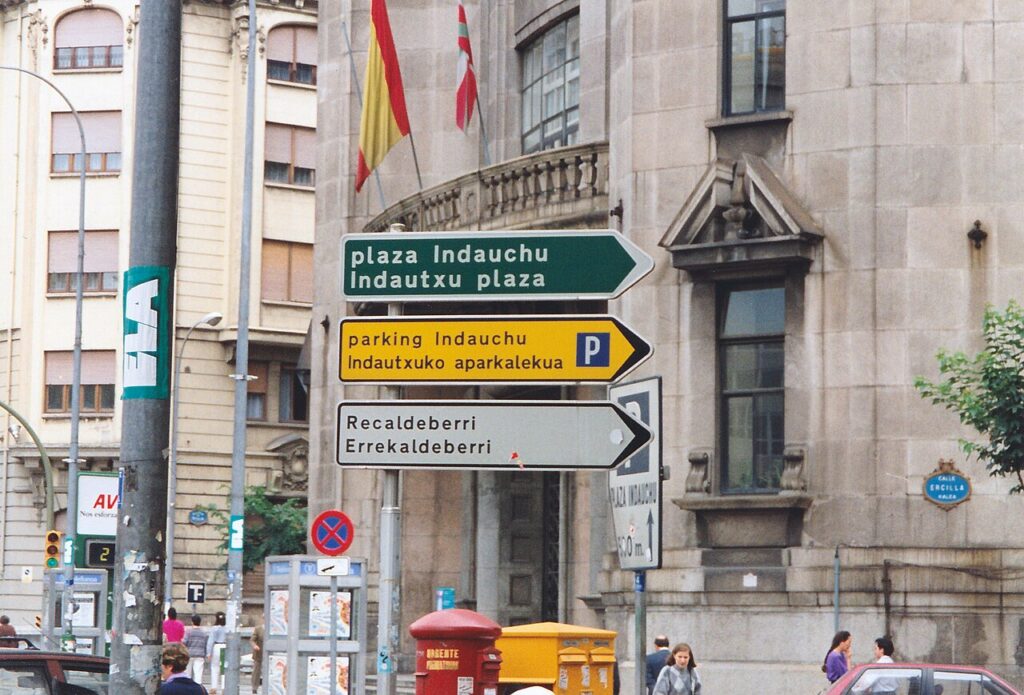
Pamplona is legally Navarra's zona mixta, not Basque-speaking. Euskara, the Basque language, still reaches 24.6% of the city today.

Blog
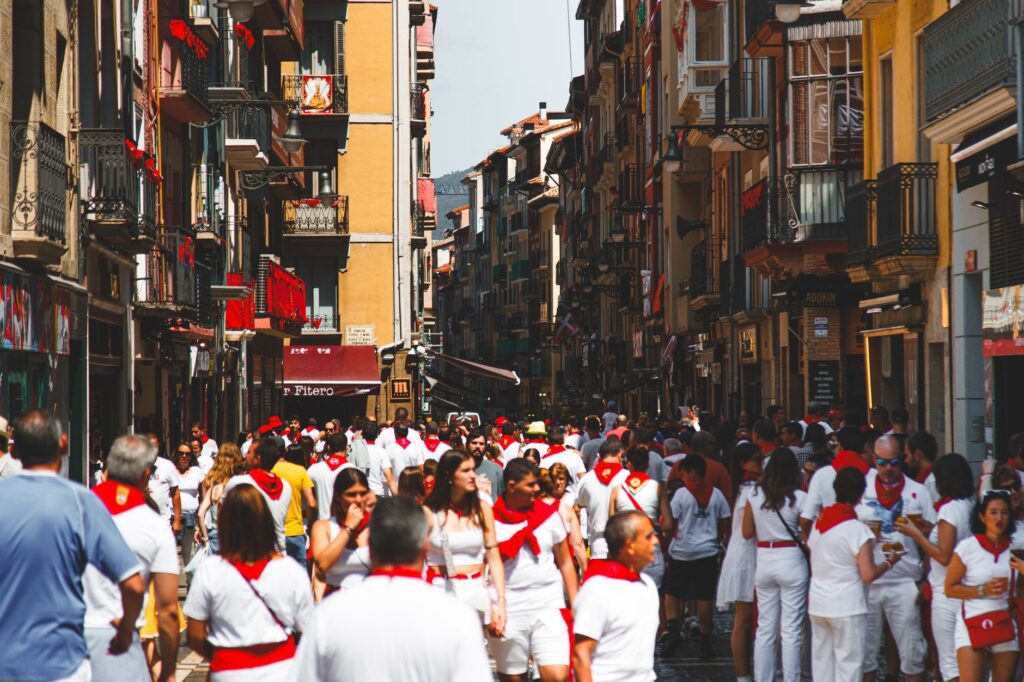
Understanding peñas, the white and red uniform, Basque music traditions, religious processions honoring San Fermín, and unwritten rules of the fiesta.
Pamplona is legally Navarra's zona mixta, not Basque-speaking. Euskara, the Basque language, still reaches 24.6% of the city today.
Peña Armonía Txantreana history: Pamplona's first neighborhood peña, born in Txantrea in 1956, the only one to break from its sports club.
Peña La Jarana lists 1940 as its founding year. The 1940 government permit used the word resume, not found. Here's the real story behind it.
In June 2026, Pamplona’s city hall received Peña Irrintzi at the Casa Consistorial to mark its 75th anniversary, and the local press followed with matching coverage: 75 years,…
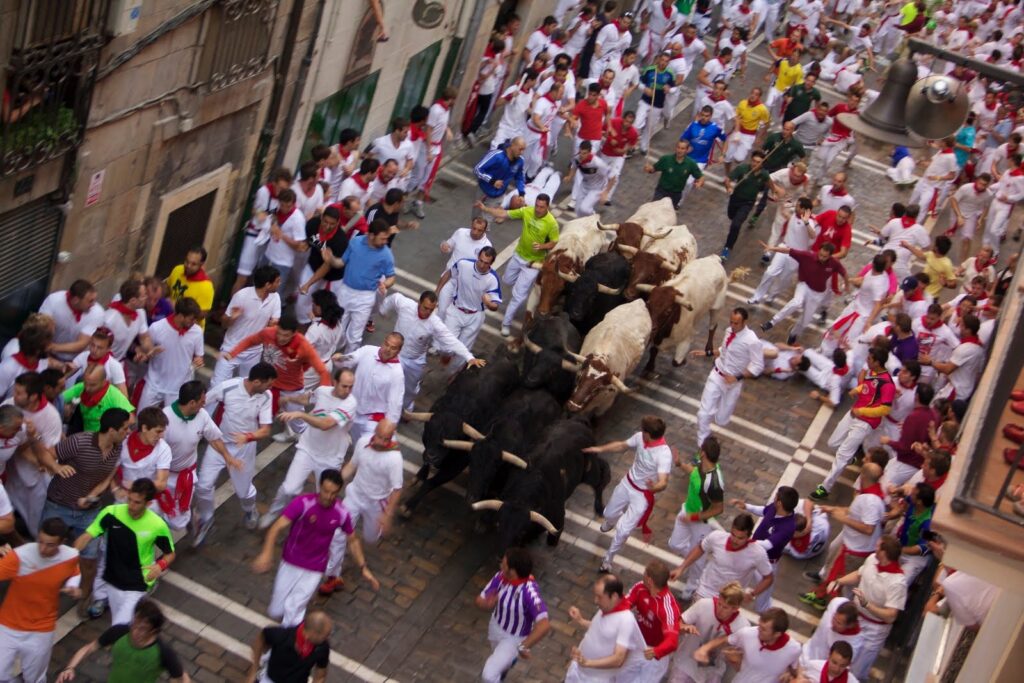
Peña Muthiko Alaiak was not founded as a peña at all. It began in late 1931 as a circle of friends around a Pamplona theater group called Zaldiko…
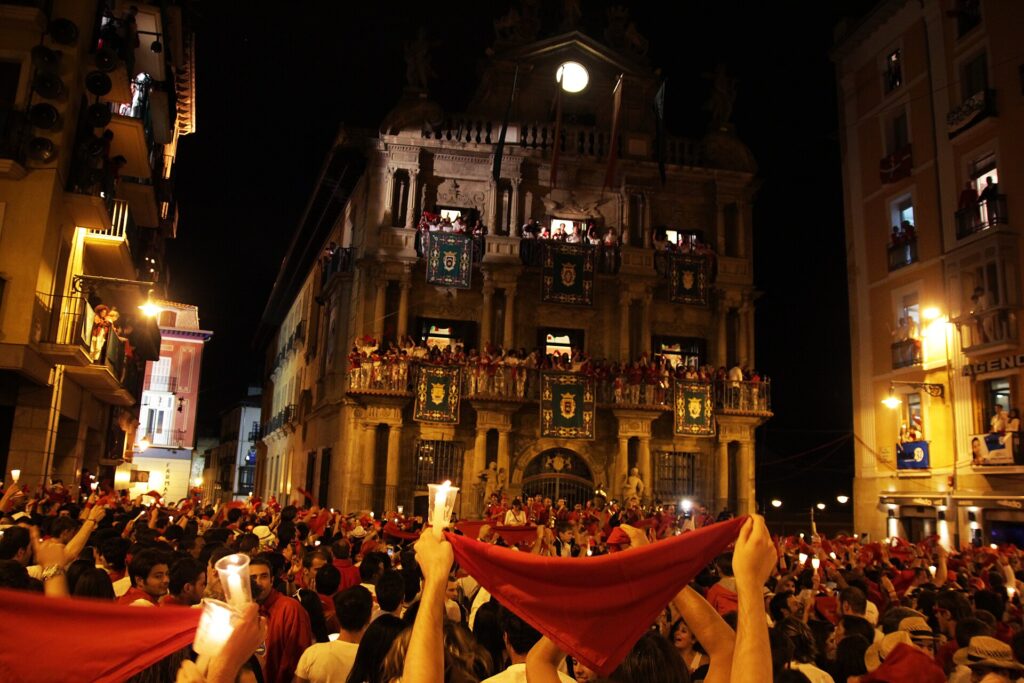
The Pobre de Mí ceremony that closes San Fermín began as a 1920s mock funeral, and Pamplona only adopted it in 1968. The real history of the farewell.
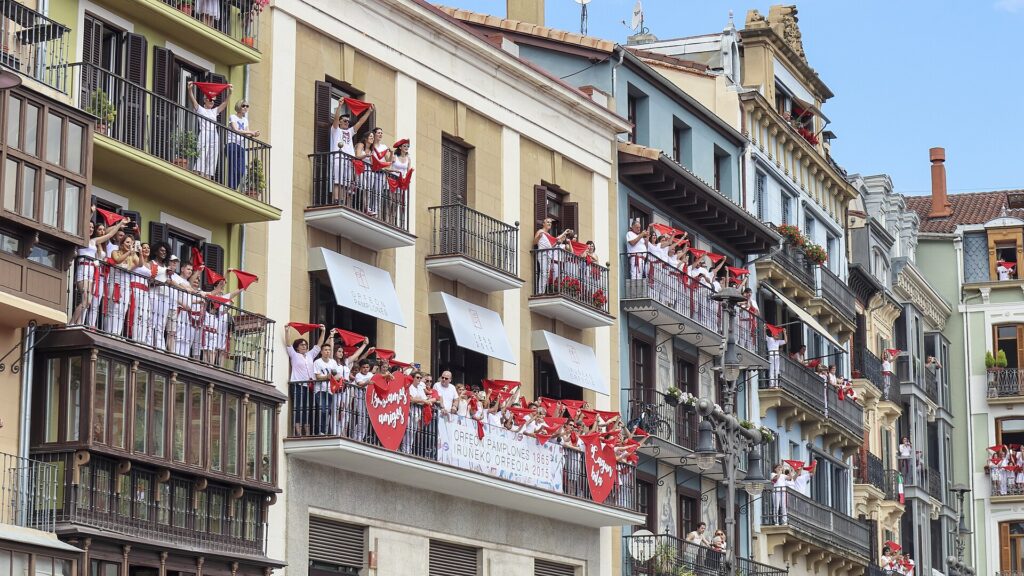
Peña Anaitasuna history: born in 1948 from a Pamplona football club, approved by the peñas in 1949, now a declared feminist peña. The full story.
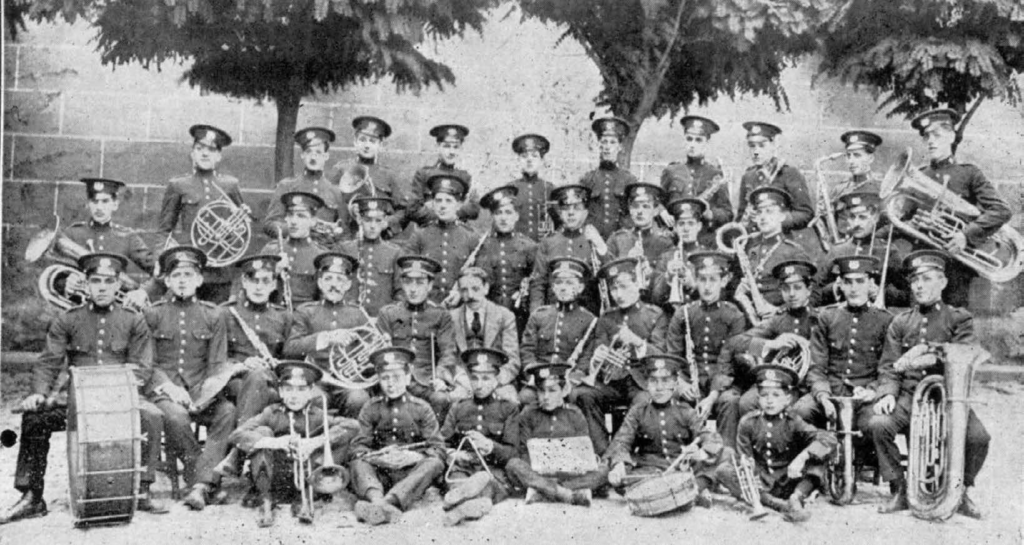
Ask an English-language guide about the music of San Fermín and you will get the same answer every time: brass bands, everywhere, day and night, origin unspecified, as…
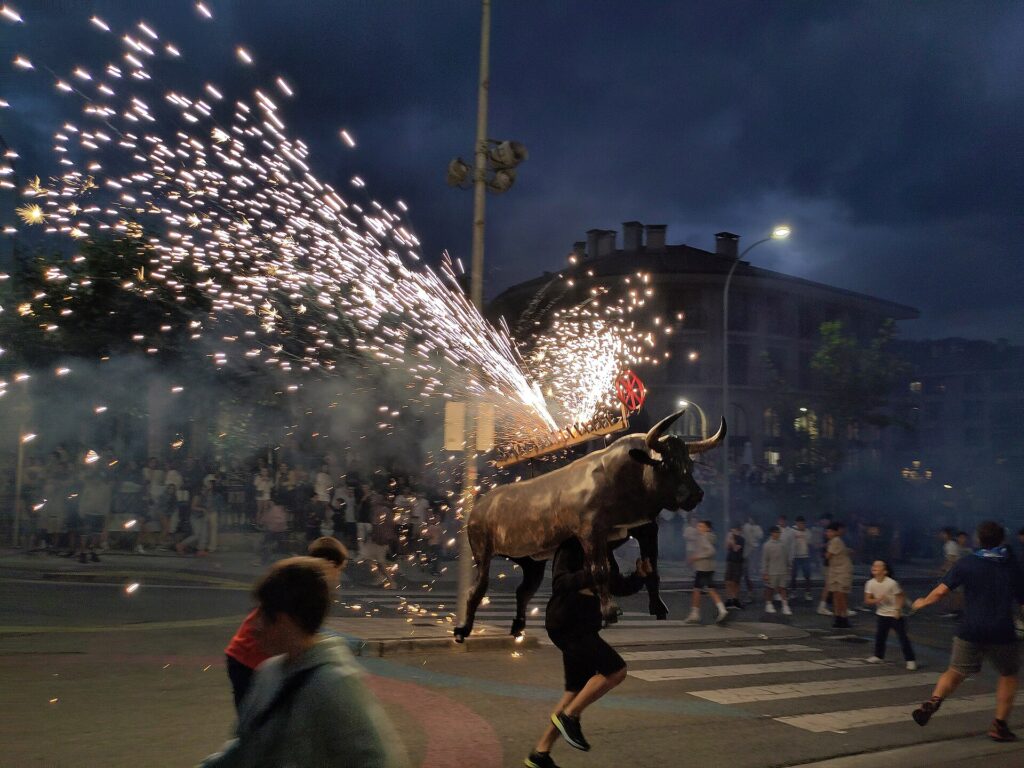
Pamplona's toro de fuego is not a bull. The San Fermin fire bull's real time and route, its 17th century history, and the Basque name zezensuzko.
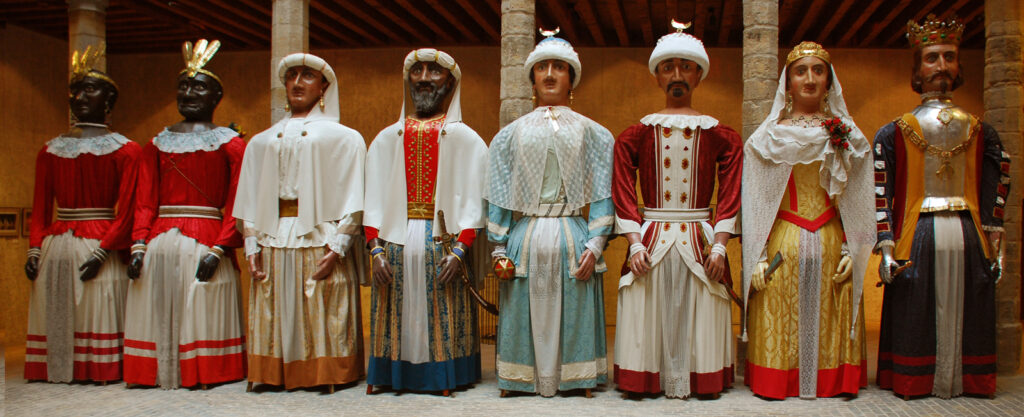
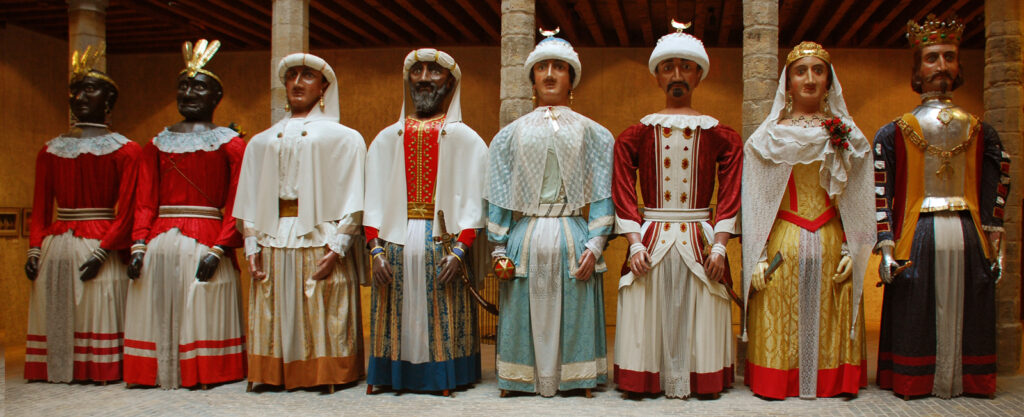
Pamplona's gigantes at San Fermin aren't just costumes. Meet the named giants, the bearers who carry 64 kilos, and why the city 3D-scanned them.