San Fermin 2027: July 6 - 14  |  Running of the Bulls tours filling fast  |  Book your spot  | 

Blog Category

San Fermín Festival

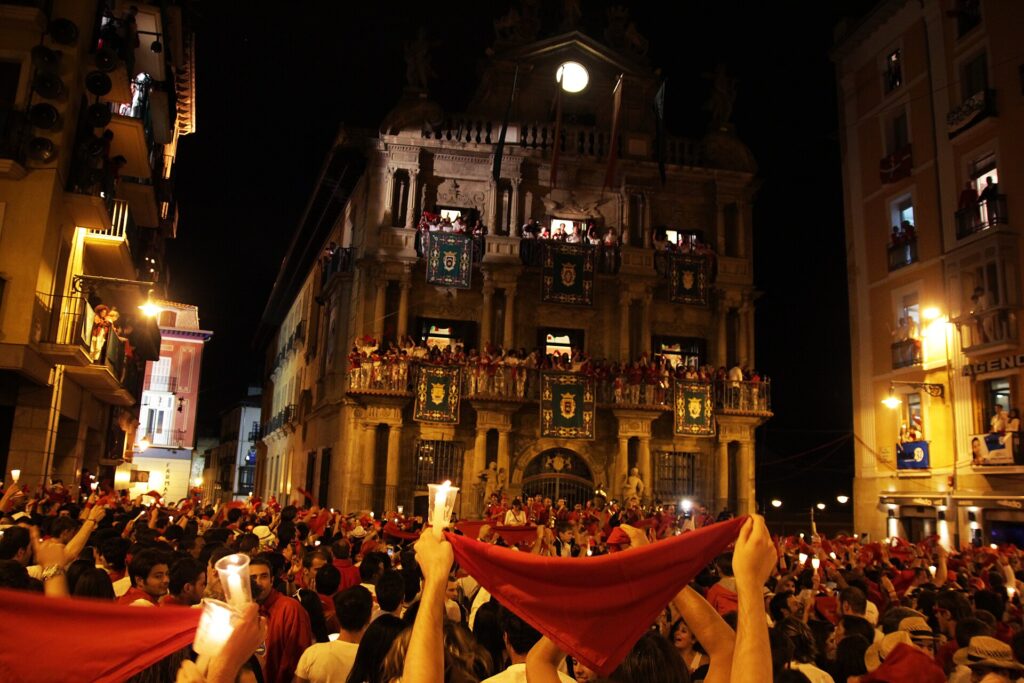
Crowd with raised pañuelos and candles at the Pobre de Mí closing ceremony of San Fermín, Pamplona
Festival Culture & Traditions

The Pobre de Mí Began as a Mock Funeral. Pamplona’s Ayuntamiento Only Adopted It in 1968.

The Pobre de Mí ceremony that closes San Fermín began as a 1920s mock funeral, and Pamplona only adopted it in 1968. The real history
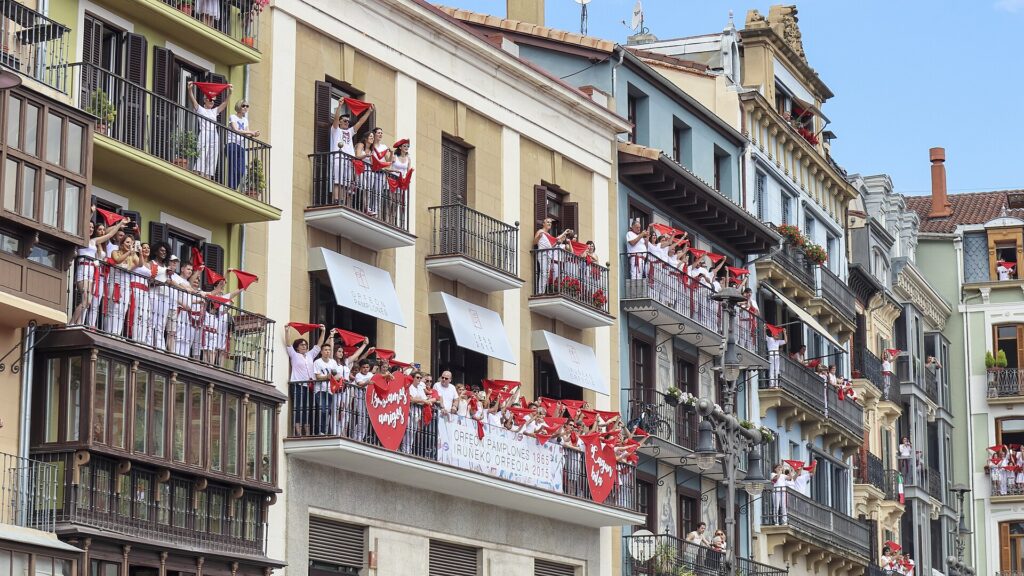
Fiesta crowd in white with red panuelos on Pamplona balconies during San Fermin
Festival Culture & Traditions

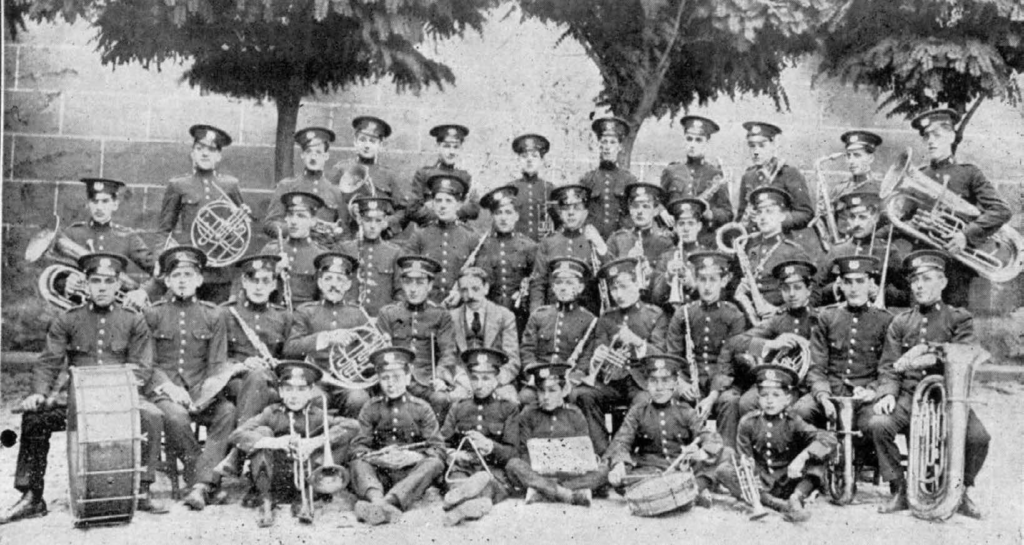
Peña Anaitasuna Began as a Footballers’ Side Project. It Ended Up Redefining the Club That Created It.

Peña Anaitasuna history: born in 1948 from a Pamplona football club, approved by the peñas in 1949, now a declared feminist peña. The full story.
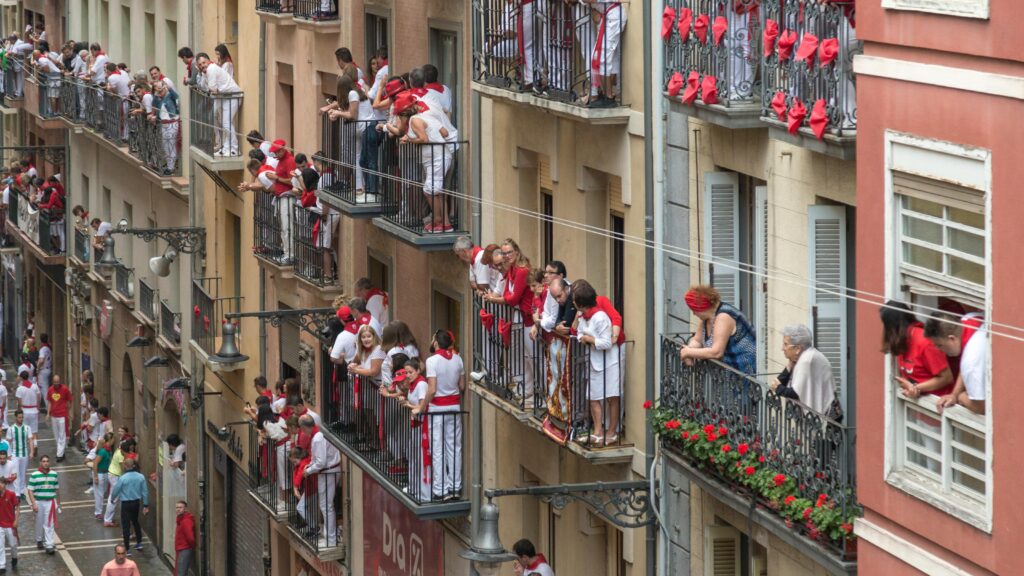
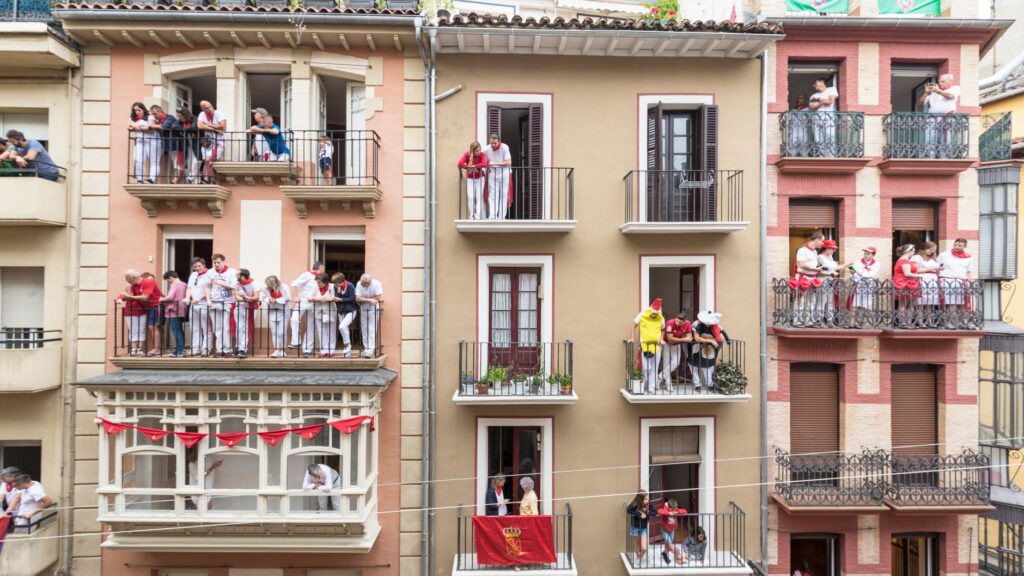
Revelers on balconies waiting for the bull run (encierro) to start.
San Fermín Festival

Encierro News: July 4, 2026

Encierro news for July 4, 2026: anti-slip on the route, 2,700 officers, a medical post every 50 meters, and RTVE's first multicamera bull run broadcast.
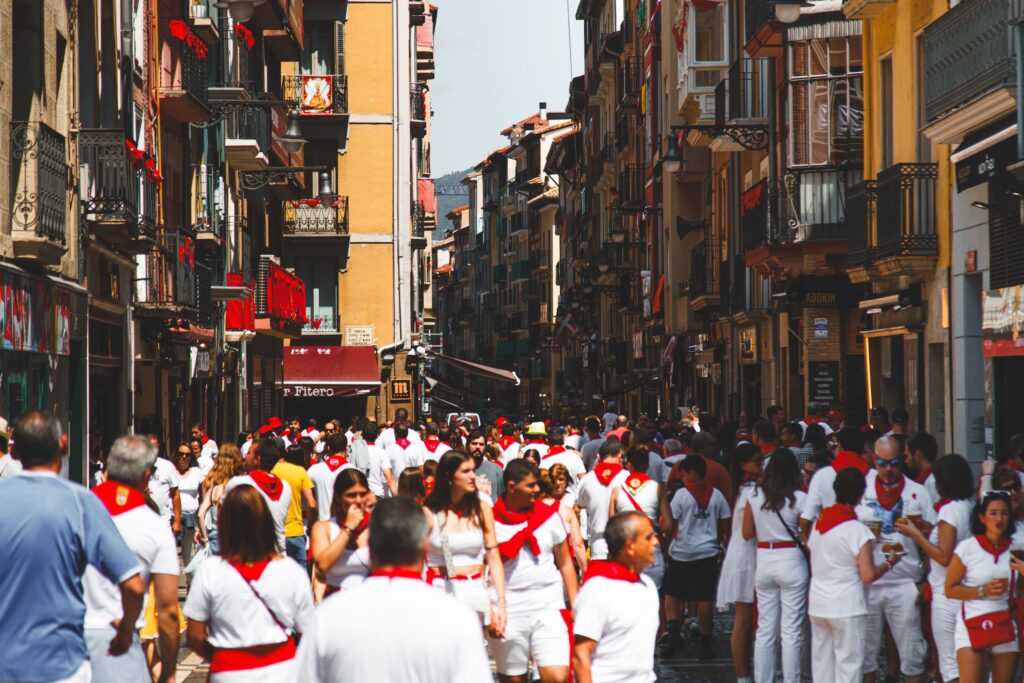
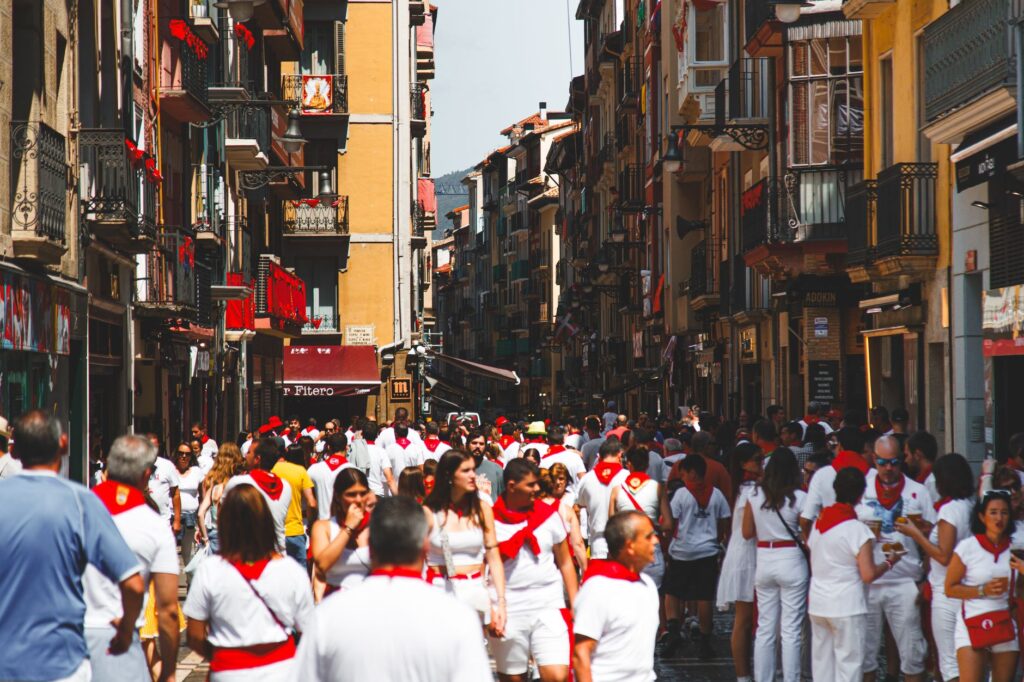
Crowd dressed in white with red panuelos filling a Pamplona street during the San Fermin festival
San Fermín Festival

The Red Pañuelo Is Not a Relic of the Saint’s Blood. Pamplona’s Press Archives Date It to 1930.

The panuelo rojo of San Fermin is not ancient. Press archives trace the red neckerchief uniform to 1930 and one working class pena. The real
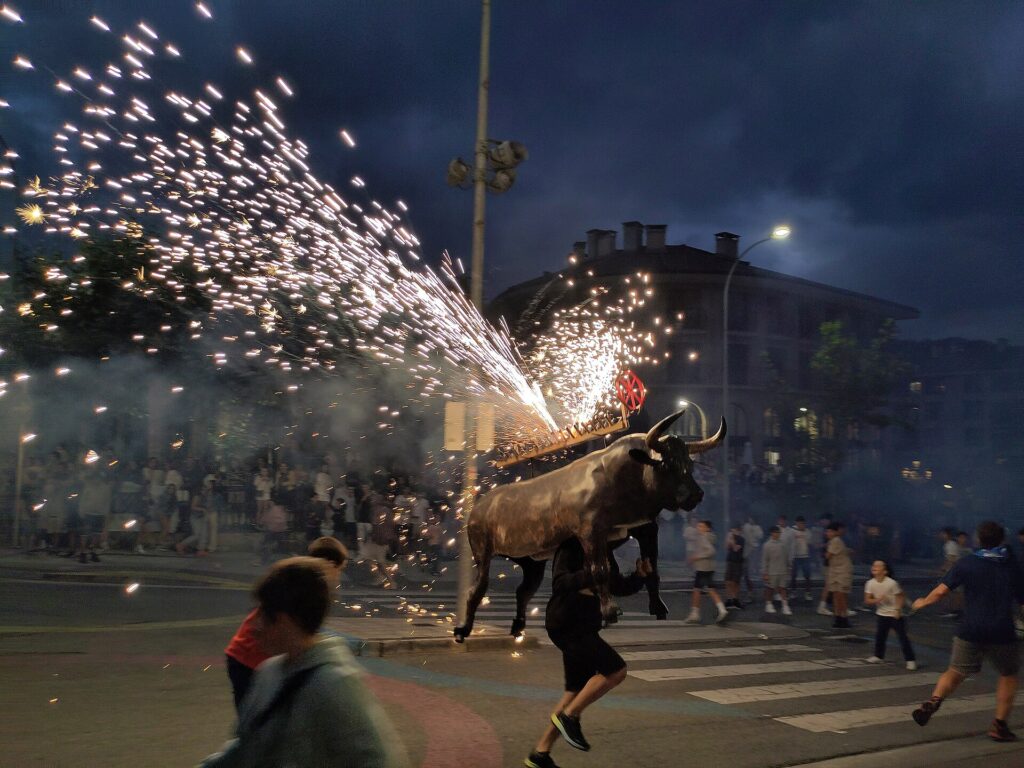
Toro de fuego bull frame showering sparks as children run ahead at a Basque fiesta at dusk
Festival Culture & Traditions

There Is No Bull in Pamplona’s Toro de Fuego. That Is the Whole Point.

Pamplona's toro de fuego is not a bull. The San Fermin fire bull's real time and route, its 17th century history, and the Basque name
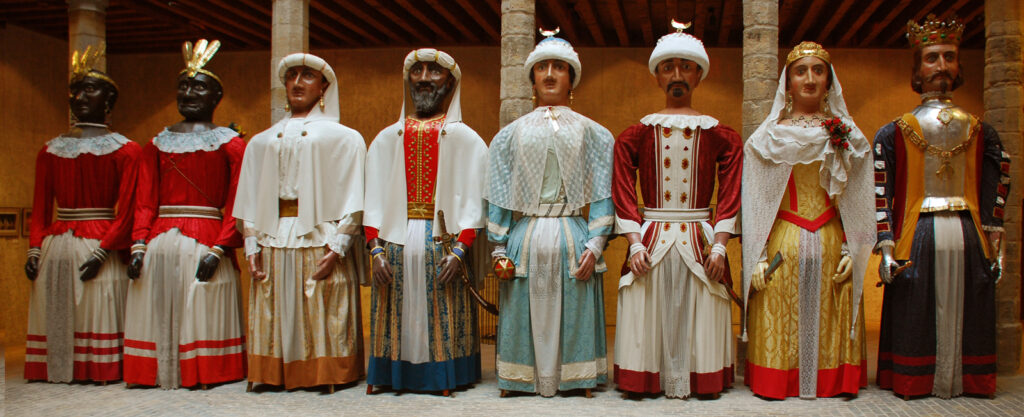
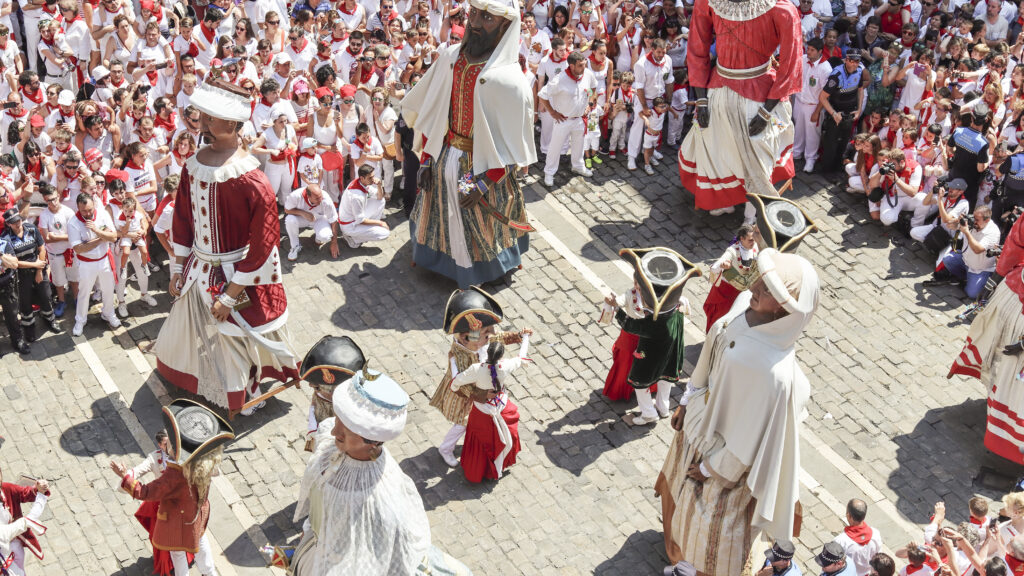
Pamplona's gigantes, the San Fermin giants, on parade in the city's old quarter
Festival Culture & Traditions

Pamplona’s Gigantes Have Names, and Carrying Them Is a Job Passed Through Families

Pamplona's gigantes at San Fermin aren't just costumes. Meet the named giants, the bearers who carry 64 kilos, and why the city 3D-scanned them.
Pamplona peña members in traditional white and red fiesta dress during San Fermín
San Fermín Festival

Encierro Txiki Isn’t One Event. Pamplona Actually Runs Two, on Different Streets.

There are two Encierro Txiki children's bull runs in Pamplona, not one, run on different streets. Here's how to tell them apart.
Gigantes and cabezudos figures during the closing despedida ceremony, Pamplona San Fermin
Festival Culture & Traditions

Pamplona’s Giants Aren’t Spain’s Oldest. The 1276 Date Is Fiction.

Pamplona's gigantes y cabezudos aren't Spain's oldest tradition. The 1276 date comes from a novel. Real, sourced timelines for Barcelona, Zaragoza, and Alicante compared.
Aerial view of a Spanish bullring where Pamplona-style recortes and vaquillas take place
Festival Culture & Traditions

Recortes Isn’t a Bullfight, and the Best One Happens Minutes After Pamplona’s Encierro Ends

Recortes isn't a bullfight. It's a Spanish sport with 1930s roots, staged daily in Pamplona's bullring minutes after the encierro.